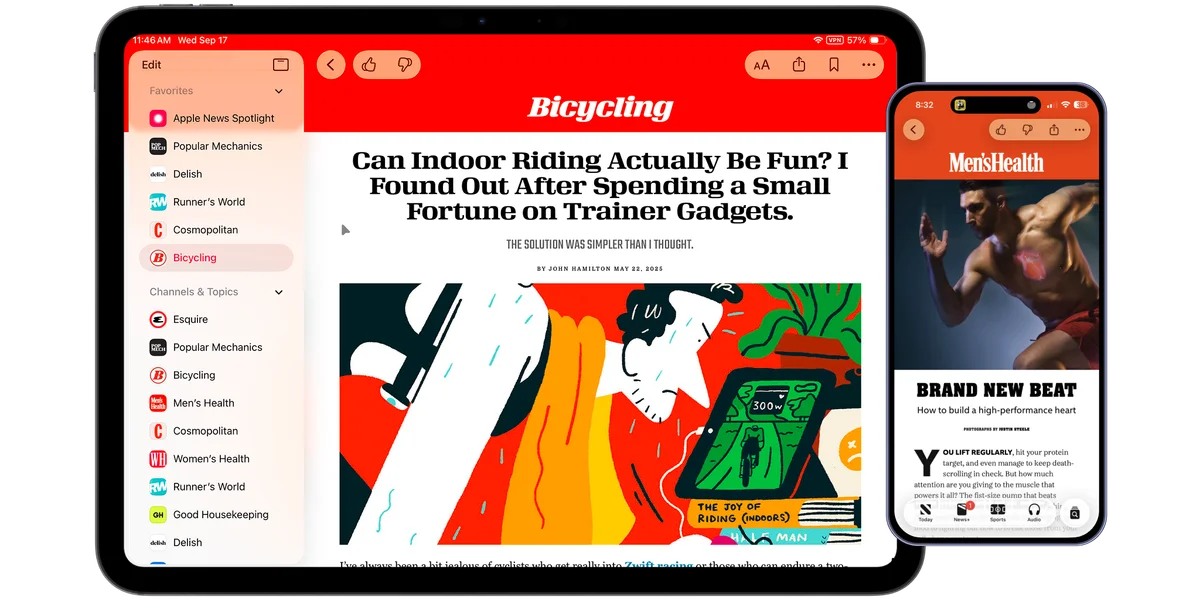
Apple News+ & Hearst Magazines
Designing and building a system to publish hundreds of articles a day across every Hearst brand on Apple News, iPhone, iPad, and macOS
- $1.5M+
- in monthly revenue for Hearst Digital Media
- Minutes
- to onboard a new publication, down from months
- 9 of 100
- Apple News Top Ten-Year Stories came from this work
Problem
Apple News launched in 2016. The publishing industry was skeptical: another platform, another format, another unknown revenue model. Early partners faced significant obstacles publishing their content, and many questioned whether it would generate meaningful money at all.
Hearst Magazines posts hundreds of stories, photos, and videos a day across all of its brands and locales worldwide. Early Apple News integration depended on bimonthly InDesign files from our print magazines — so Apple News content was always a late, un-optimized print reprint, tied to the print cycle. To provide content at a global, digital-native scale, we needed a syndication service that could transform our brands and content with as little manual work as possible.
RESPONSIBILITIES
- Styling and Front End Development: HTML, CSS, Apple News JSON templates
- Design Systems / Apple News JSON architecture
- Wireframes & Prototyping
- Visual QA (iPhone, iPad, macOS)
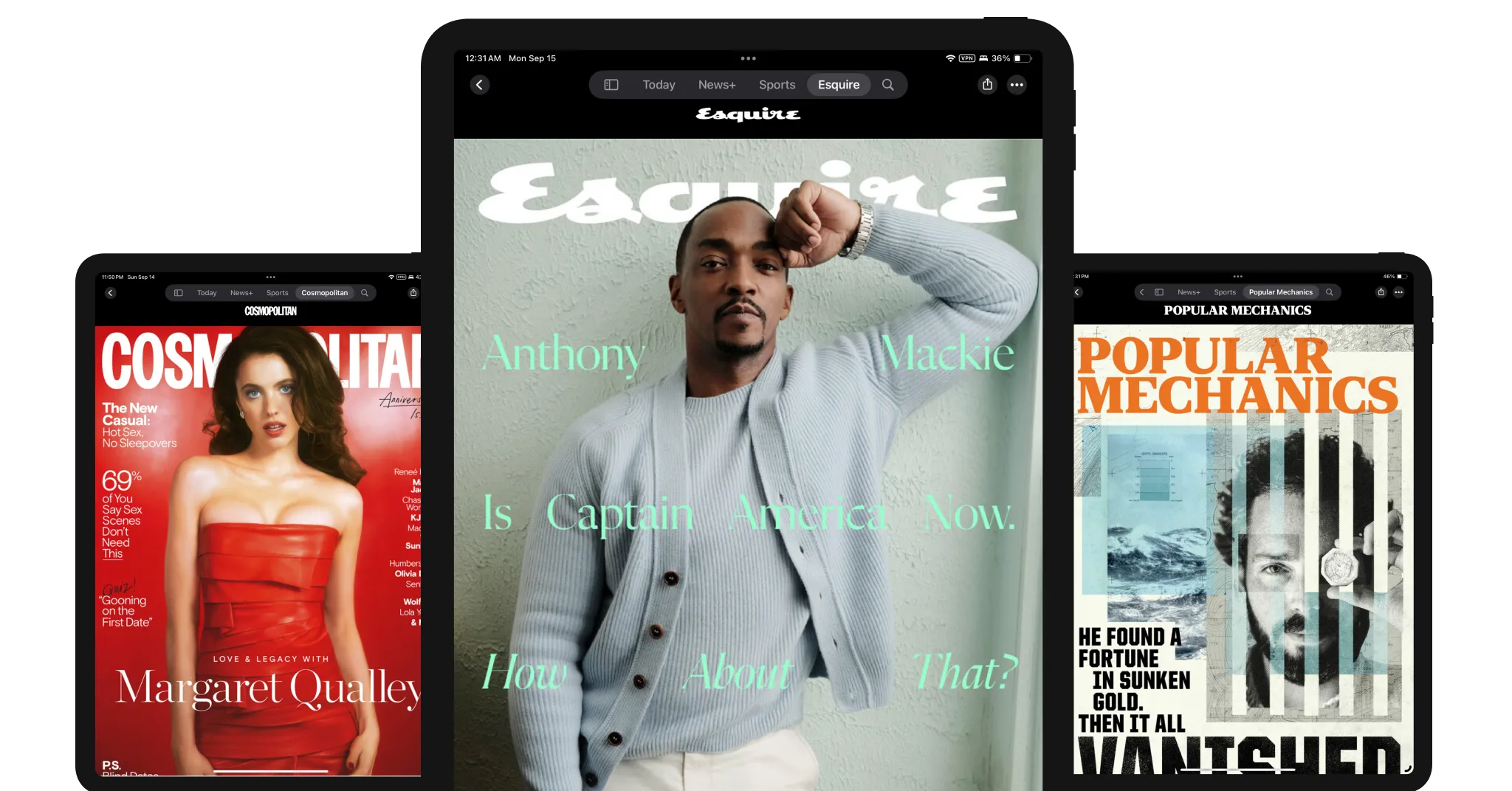
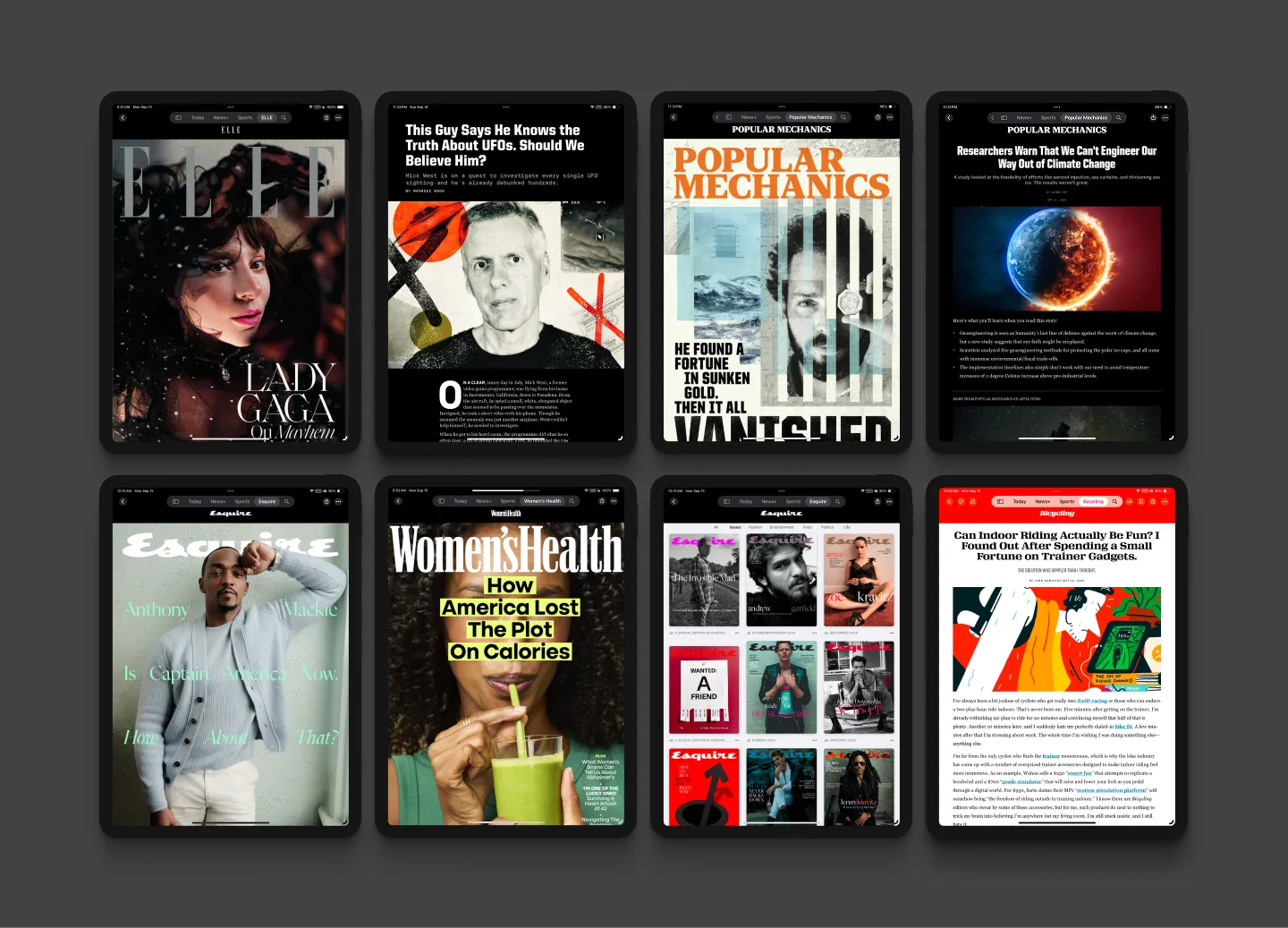
Apple News
Elle:
Watch Bad Bunny’s Puerto Rico Performance
Esquire:
A Death in Alabama
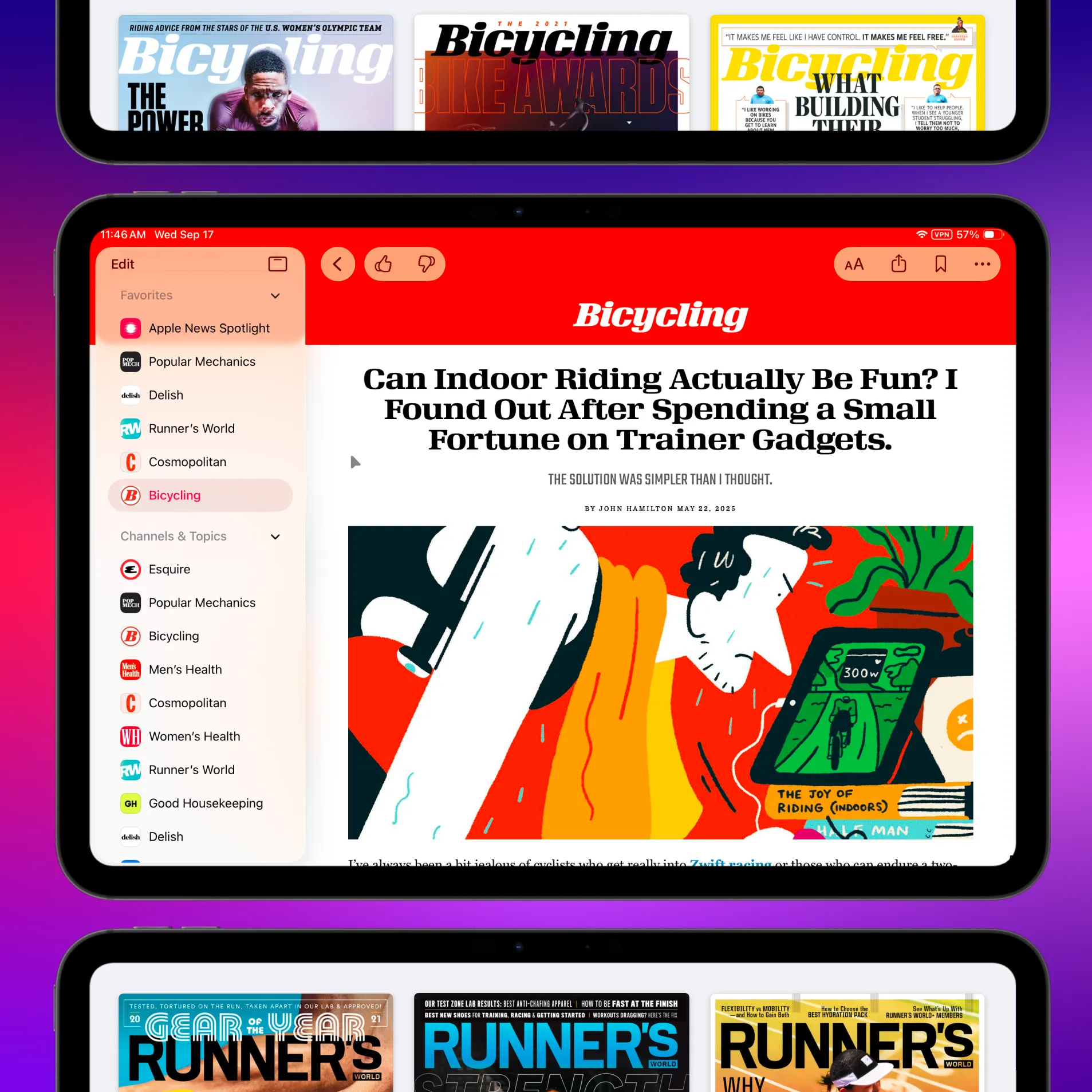
Bicycling:
Indoor Riding Actually Be Fun?
Awards

10 Years of Apple News Nine of the top 100 stories featured on Ten Years of Apple News are magazines my solution brought onto the platform.
Approach
I led the design and development of a custom Apple News integration for Hearst Digital Media’s internal CMS, end-to-end — design and front-end, no handoff. The goal was zero-friction for editorial teams: a story filed in the CMS appears on Apple News, styled correctly for the brand, without any Apple-News-specific work by the editor. Editors shouldn’t need to know Apple News Format JSON exists. That single constraint shaped every decision below — and made onboarding a new magazine a matter of minutes rather than months.
Designing for Editors
Hearst’s editorial teams file hundreds of stories a day. They’re journalists and editors, not platform engineers. They don’t know Apple News Format JSON exists, and they shouldn’t have to. The system had to be completely transparent to editorial: file a story in the CMS exactly as always, and it appears on Apple News looking exactly like the brand.
That constraint shaped every design decision. The integration couldn’t change editorial workflows. It had to intercept the CMS output, transform it, and push it to Apple News correctly: invisibly, reliably, at volume. Any friction at the editorial layer would mean the integration would be worked around rather than adopted.
This is the same design problem Ghost solves: tools powerful enough for scale but simple enough that the person using them can stay focused on their actual job.
Working against a moving format
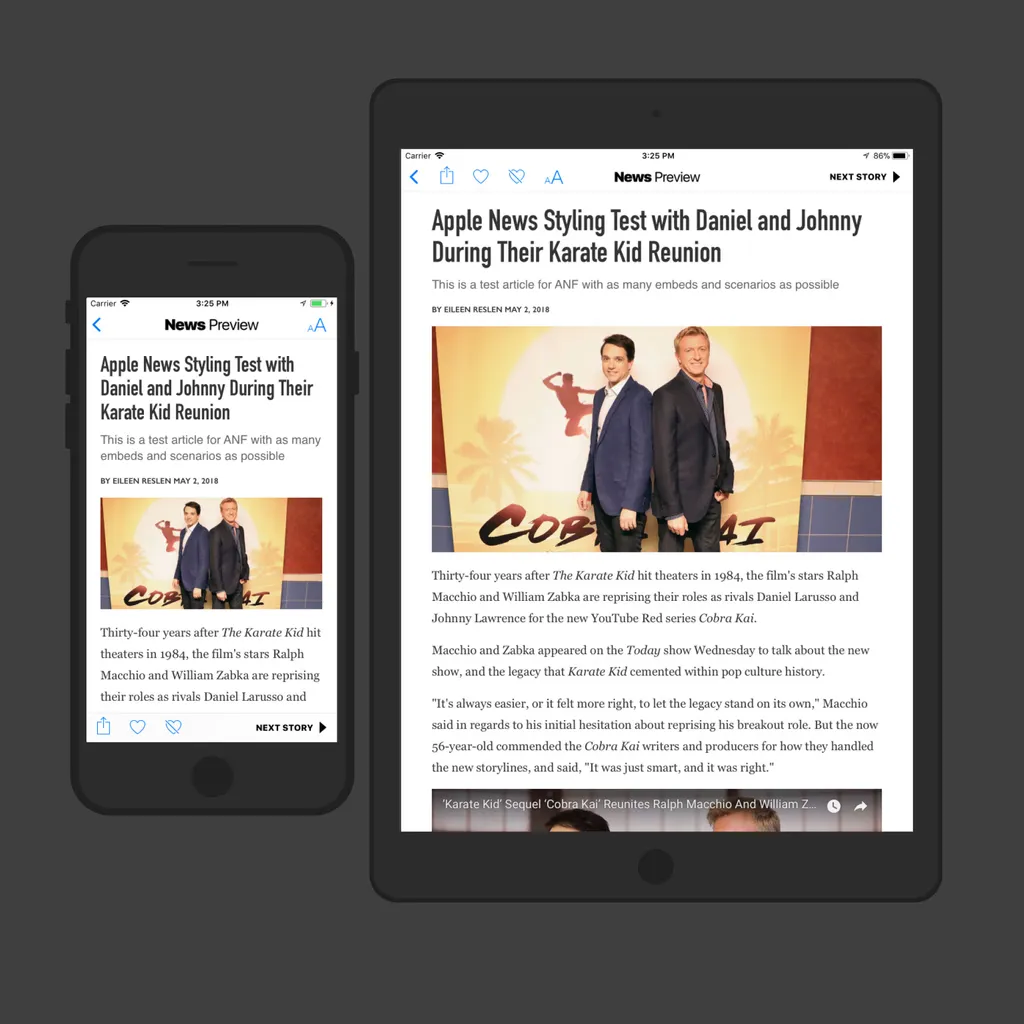
We were missing a way to publish directly from our CMS to Apple News. Apple News invited Hearst to partner just as the first beta version of News Publisher came out, meaning we were working with a JSON format that was constantly changing. The only out-of-the-box publishing path required waiting for finalized InDesign files from our print magazines, which meant Apple News content was always a print reprint: behind on timing, not optimized for the platform, and dependent on the print production cycle.
We needed a way to publish digital-native content directly from the CMS, styled and customized per brand, at the full velocity of our editorial operation.
The Process
The project started with a content inventory. I catalogued every content type Hearst editorial teams produced (article, gallery, video, recipe, product roundup) and mapped them to the Apple News Format component palette. That mapping immediately surfaced a tension: Apple News Format is opinionated about layout. Our magazine brands weren’t. Cosmopolitan’s visual identity is not interchangeable with Popular Mechanics.
I wireframed the token-to-JSON mapping as a design document first: which component types needed which token references, which Apple News properties had no equivalent in our system (and what decisions to make there), and where editorial judgment would still be required. The wireframes weren’t for visual design; they were for information architecture. How does an article’s content structure become an Apple News article layout?
From there I moved into implementation: writing Apple News JSON templates, styling rules, and the CMS integration that populated them. I owned both the design and the front-end code. No handoff, no translation layer between design intent and shipped output.
QA happened on device across every brand layout: iPhone, iPad, macOS. Apple News Format rendering has browser-like quirks: things that look right in the News Publisher tool don’t always render correctly on actual hardware. I caught and resolved those discrepancies before launch.
Design System Tokens to the Rescue
Apple News is based on proprietary JSON written in Apple News Format. One layout defines the presentation for iPhone, iPad, and macOS. As the format matured I mapped new features and styling to our templates and design system.
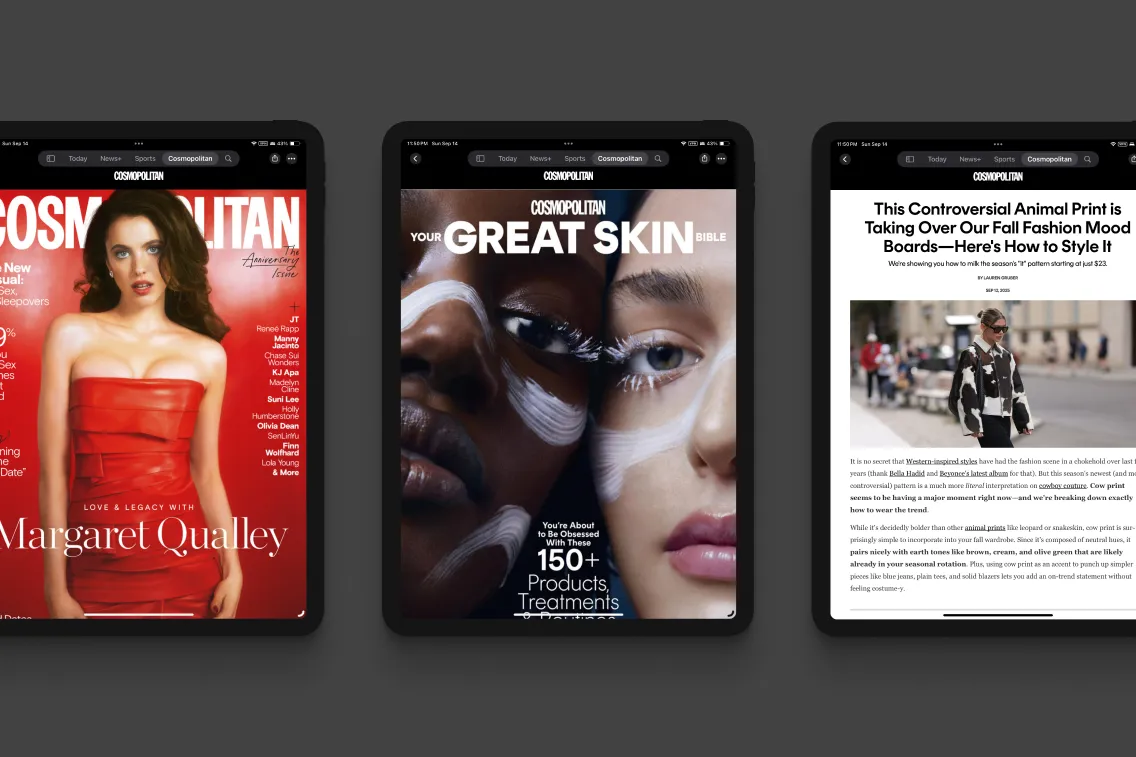
The visual treatment we’d already developed for Custom Feeds and the web platform (typography scale, color palette, image aspect ratios) could be reused and applied programmatically based on each magazine’s design tokens.
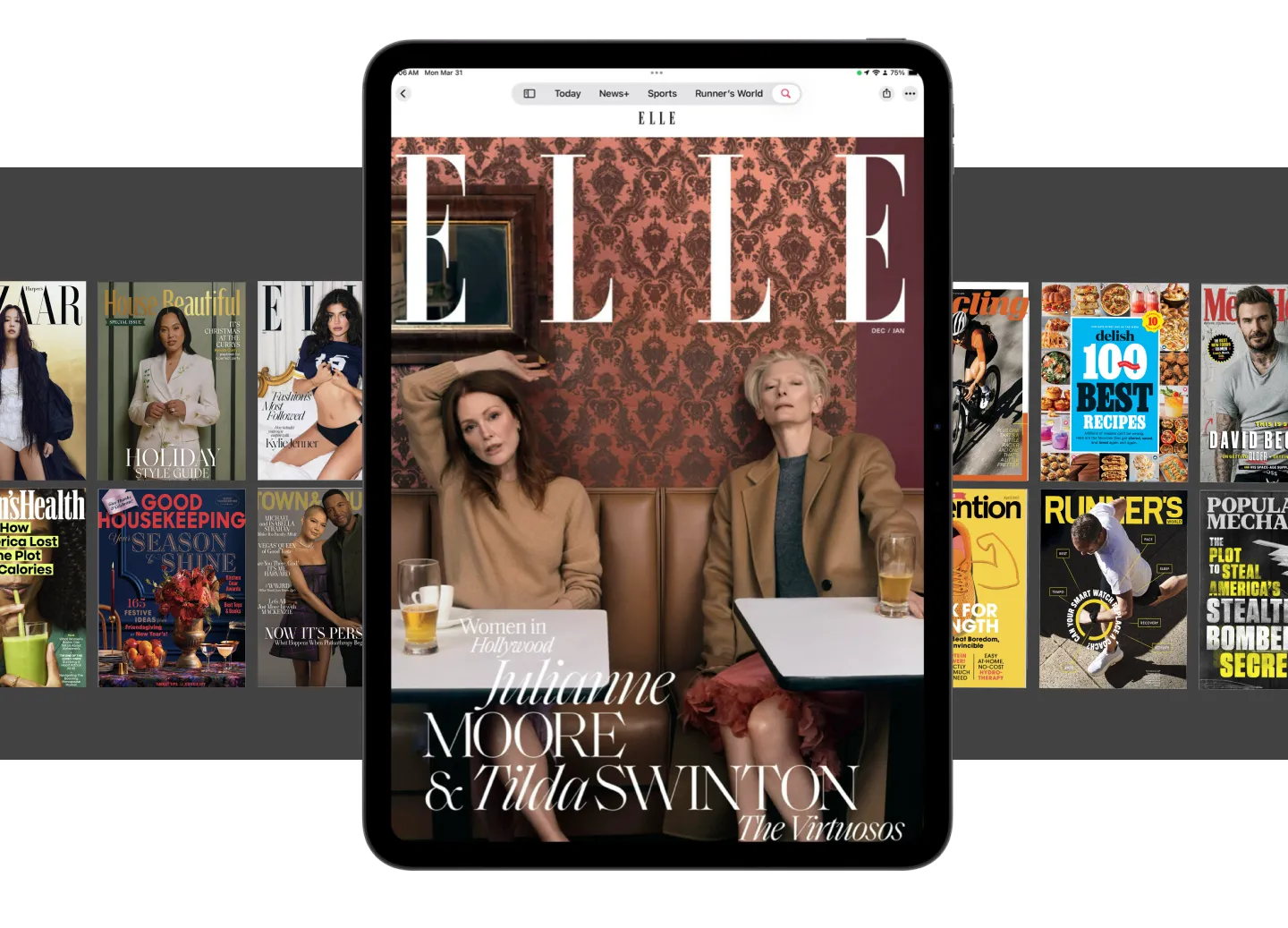
Since we were reusing design tokens and patterns, onboarding new brands was a token configuration exercise, not a rebuild. After the initial integration work, bringing a new magazine onto Apple News was mostly hands-off.
Results
Outcomes
- Generates $1.5M+/month in revenue for Hearst Digital Media.
- New-publication onboarding cut from months to minutes.
- 9 of the top 100 stories in Apple’s “Ten Years of Apple News” came from brands this system brought onto the platform.
- Became the foundation for later features including Apple News+ and Cooking Mode — a key part of Hearst’s digital transformation and its presence on a major audience and revenue channel.
Scope of Ownership
Designed the system and built the front-end end-to-end — HTML/CSS, Apple News Format JSON templates, design-system/JSON architecture, wireframes, and on-device visual QA. The same person owned design intent and shipped code, so there was no handoff gap between what was intended and what shipped.